AI as a force-multiplier for humans

AI as a force-multiplier for humans
Artificial Intelligence (AI) is no longer just a futuristic buzzword, but a transformative force that is already reshaping how we think, work, and create. Just five years ago, this was unthinkable. AI back then was a closely-guarded corporate secret, used by firms to amplify their internal speed. Then it burst into the open one day. And the rest is history.
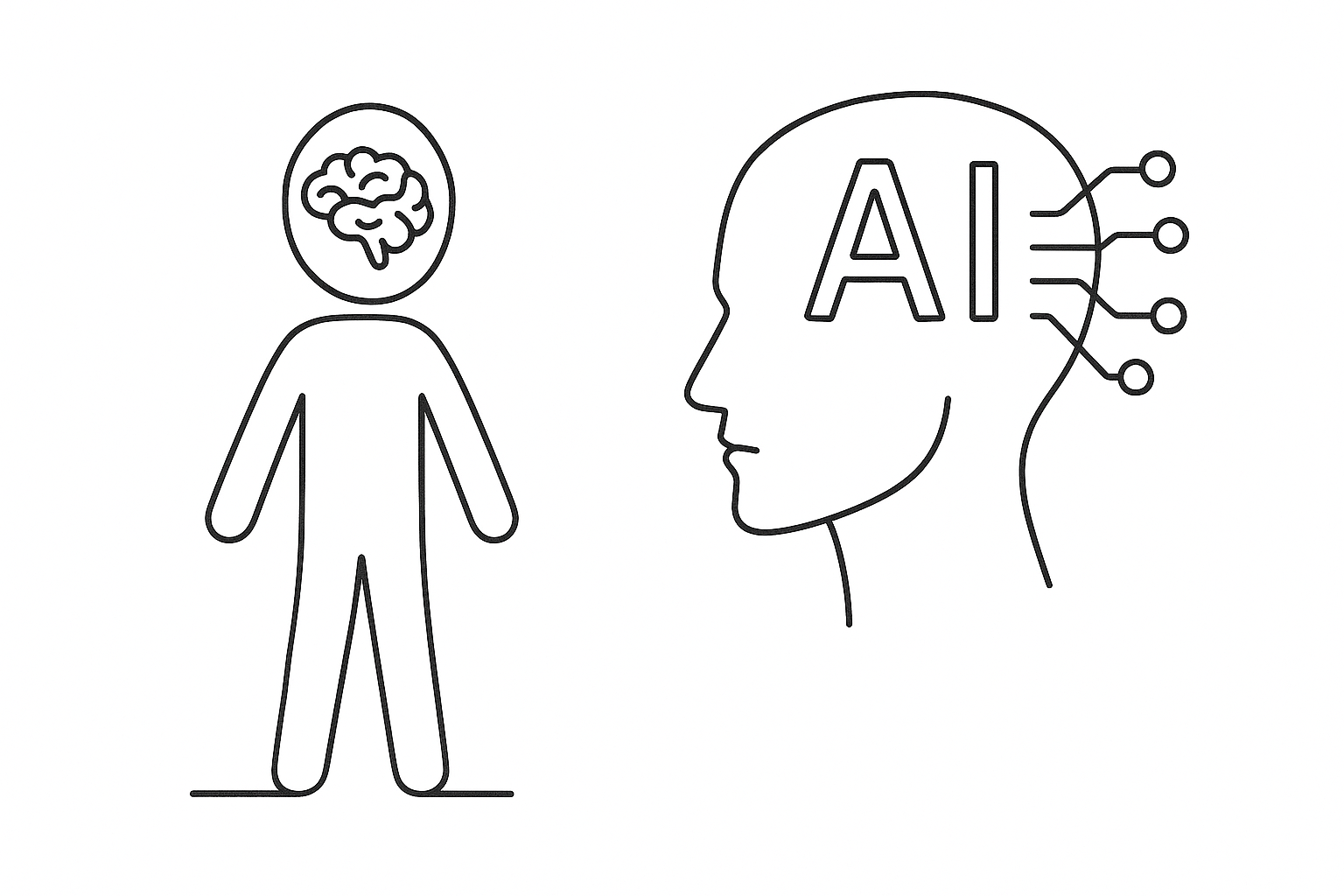
As a “force-multiplier,” AI does not simply replace human effort; it amplifies it. Just as power tools enable a carpenter to work faster and with greater precision, AI empowers individuals and organizations to achieve more in less time, with higher quality, and often with insights that would be impossible to uncover manually.
- Raising individual productivity
For individuals, AI has become a personal assistant, a creative partner, and a research analyst rolled into one. Writers use AI text generation tools to overcome creative blocks, rapidly draft outlines, or refine language tone. Designers can create professional-grade graphics with AI-powered design platforms, eliminating the need for extensive manual editing. Translators can rely on neural machine translation systems to provide near-real-time multilingual communication, opening up new opportunities for global collaboration.
Consider a freelance consultant: where once they might have spent hours manually gathering market research, today they can use AI-driven analytics tools to collect, filter, and interpret relevant data within minutes. A content creator can storyboard, write, and produce multimedia content with AI assistance, freeing more time to focus on strategy and engagement. Even knowledge workers in corporate environments benefit from AI-enhanced search, document summarization, and meeting transcription tools, enabling them to manage larger workloads without compromising accuracy.
AI also democratizes expertise. A non-technical entrepreneur can now build a prototype app using no-code AI platforms, test it with early users, and iterate based on AI-driven analytics—all without needing to hire a full engineering team at the outset. This acceleration of individual capability lowers barriers to entry in many industries.
- Helping firms perform better
For businesses, AI acts as a strategic accelerator. Data-driven decision-making, once the privilege of large enterprises with specialized analytics teams, is now accessible to firms of all sizes. AI can process massive amounts of operational, financial, and customer data, revealing trends and patterns that would otherwise remain hidden.
In retail, AI-powered recommendation engines boost sales by personalizing product suggestions based on user behaviour. In logistics, AI optimizes routes, predicts inventory needs, and minimizes supply chain disruptions. Financial institutions use AI to detect fraudulent transactions in real time, while healthcare providers employ it for early disease detection through medical imaging analysis.
AI is also enabling “micro-customization” at scale. For example, marketing campaigns can be tailored not just to broad demographics but to individual customer profiles, improving engagement and conversion rates. In manufacturing, predictive maintenance powered by AI reduces downtime, cuts costs, and extends the life of machinery.
Firms also benefit from AI’s capacity to simulate scenarios. A company considering expansion into a new market can model consumer behaviour, regulatory risks, and pricing sensitivity with AI-driven simulations, reducing uncertainty in strategic planning.
- Related aspects of AI as a force-multiplier
AI’s multiplier effect goes beyond immediate productivity and efficiency gains. It reshapes work culture, skill development, and innovation cycles.
Collaboration and Communication: AI can translate languages in real time, transcribe multi-speaker meetings with accuracy, and extract key action points. This improves clarity, reduces miscommunication, and enables globally distributed teams to function seamlessly.
Skill Augmentation: AI tools do not just automate work—they can teach. For instance, AI-driven code assistants not only generate code but also explain why certain approaches work, enabling junior developers to learn on the job. Similarly, AI-powered language learning apps adapt to the user’s pace, making education more personalized and effective.
Faster Experimentation: Innovation benefits when the cost and time to test ideas drop dramatically. AI can generate multiple design options, analyze consumer sentiment instantly, or run simulations to validate product concepts before physical prototypes are built. This rapid iteration cycle encourages more creativity and risk-taking.
Accessibility and Inclusion: AI helps break down barriers for people with disabilities through real-time captioning, voice-to-text tools, and computer vision applications that describe surroundings for visually impaired users.
- Problems and limitations
Despite its promise, AI as a force-multiplier comes with caveats. Over-reliance on AI can erode critical thinking and skill retention, as individuals and organizations may become accustomed to letting algorithms make decisions without adequate human oversight.
Bias and Fairness: AI systems learn from data, and if the data reflects historical biases, those biases can be amplified. For example, hiring algorithms trained on biased data may unintentionally favor certain groups over others.
Job Displacement: While AI creates new roles, it can also automate away tasks, particularly in routine, repetitive work. The transition requires proactive upskilling and reskilling strategies to avoid widening economic inequality.
Transparency and Accountability: Complex AI models can be “black boxes,” making it difficult to understand how decisions are made. This lack of interpretability poses challenges in high-stakes domains such as healthcare, law, and finance.
Security Risks: As AI capabilities advance, so do their potential misuse cases—deepfakes, automated phishing, and AI-driven cyberattacks require constant vigilance.
- Striking the right balance
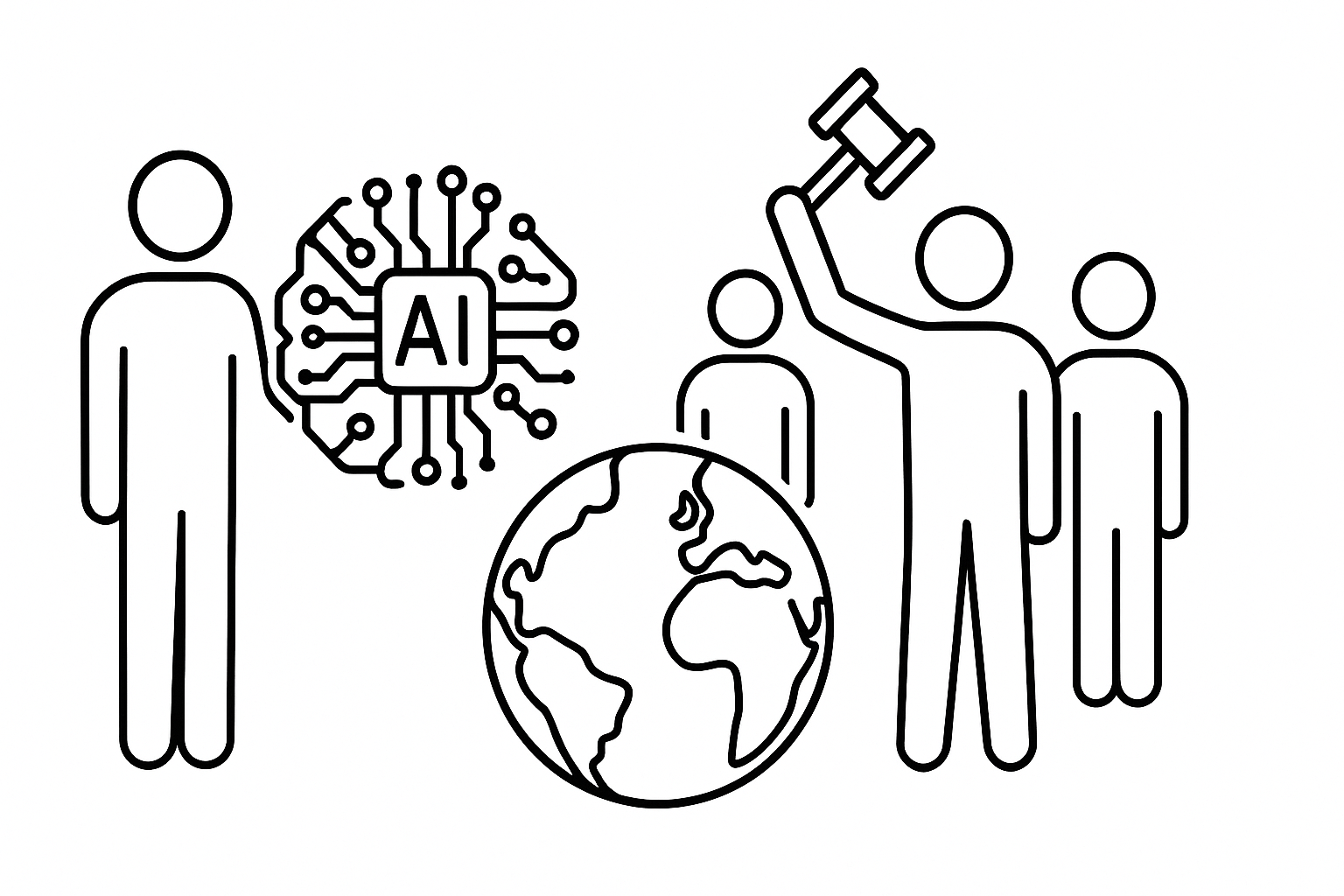
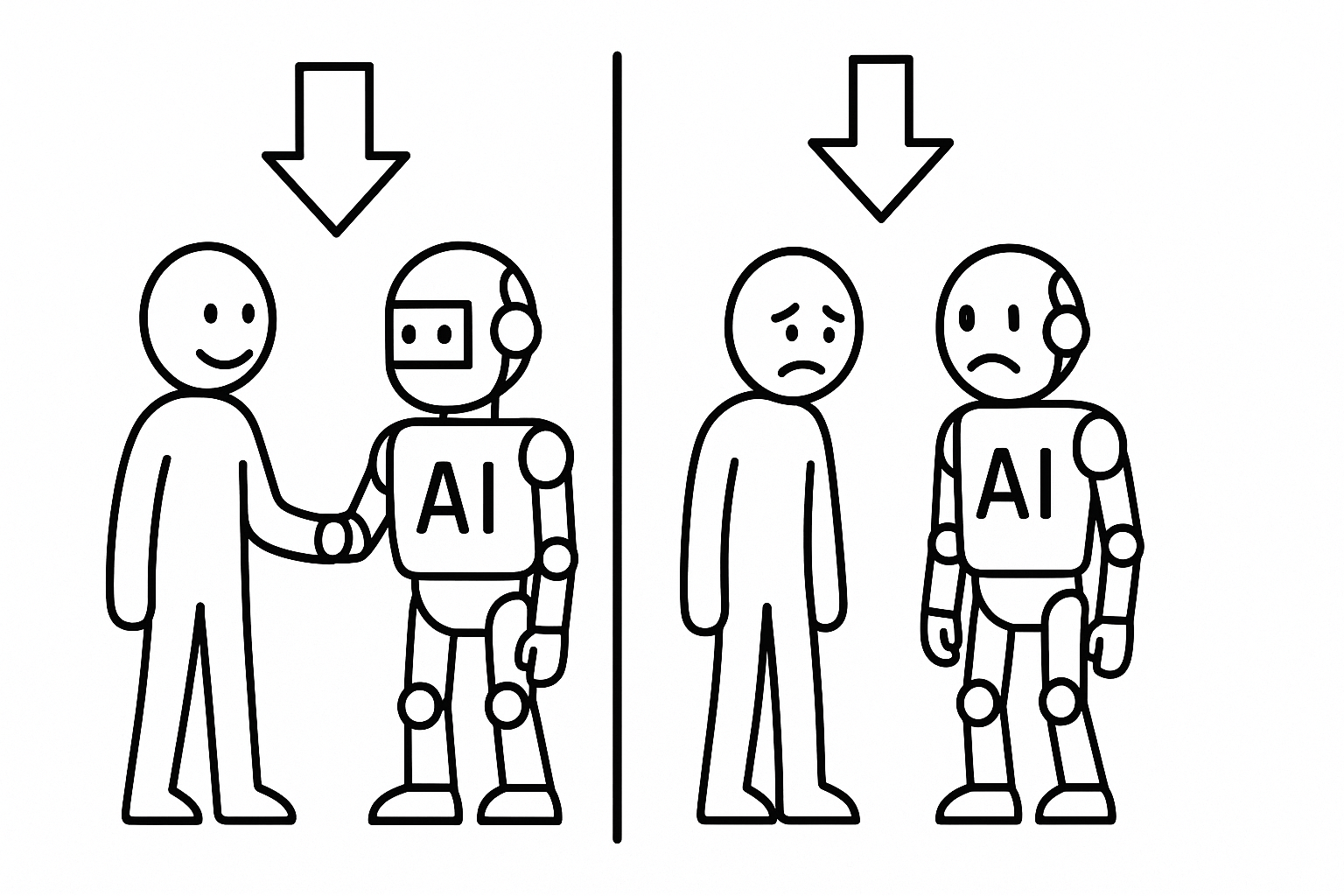
The key to harnessing AI’s force-multiplying potential lies in a balanced approach: combining automation with human judgment, efficiency with ethical safeguards, and innovation with responsibility. AI should not be seen as an all-knowing replacement for human intelligence but as a partner that extends our reach, sharpens our insights, and frees us to focus on what truly matters—creative problem-solving, empathy, and strategic thinking.
The most successful individuals and organizations in the AI era will be those who learn to collaborate effectively with intelligent systems, adapt to new ways of working, and maintain a commitment to continuous learning. AI is a powerful tool—but like all tools, its impact depends on how wisely it is used.

RELATED POSTS


Nothing Found