Is AI really outpacing human intelligence
Is AI really outpacing human intelligence
Is AI really outpacing human intelligence?
Artificial intelligence (AI) has evolved at an unprecedented pace over the last decade. From beating world champions at chess and Go to generating realistic images, music, and human-like text, AI’s capabilities often make headlines suggesting it is “outpacing” human intelligence. But is this really the case? The answer depends on how we define intelligence, how we measure AI’s abilities, and how we interpret the relationship between humans and machines.
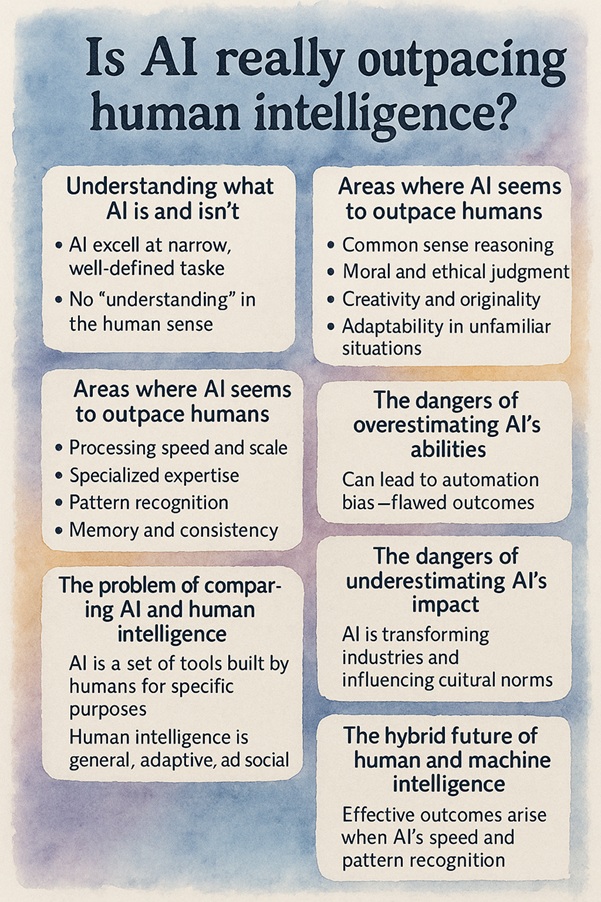
Understanding what AI is and isn’t
AI systems excel at narrow, well-defined tasks. They are built to process vast amounts of data, detect patterns, and produce outputs based on statistical correlations. Large language models, for example, can generate essays, answer questions, and even simulate conversation convincingly—but they do not “understand” in the human sense. Their knowledge is derived entirely from the data they are trained on, without self-awareness or lived experience.
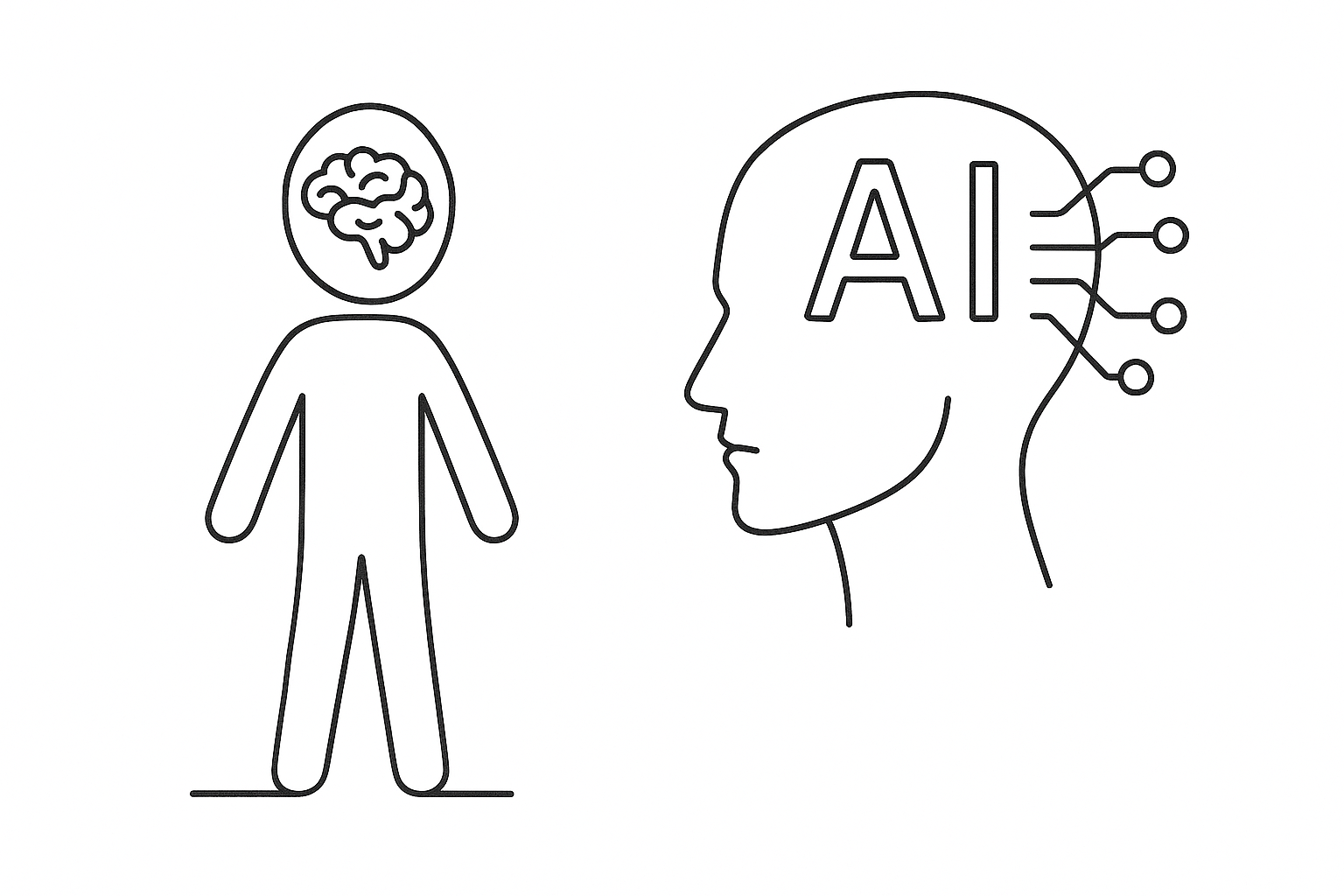
Human intelligence, by contrast, is general-purpose. It integrates reasoning, emotional understanding, moral judgment, and adaptability across a limitless range of contexts. While AI may surpass humans in speed, memory recall, or data processing for specific tasks, it remains fundamentally different from the broad, flexible intelligence humans possess.
Areas where AI seems to outpace humans
There are domains in which AI clearly outperforms people, and these often create the impression that it is overtaking human intelligence.
Processing speed and scale: AI can analyze millions of data points in seconds, far exceeding human capabilities. In medical research, AI systems can review thousands of radiology images quickly, flagging anomalies with remarkable accuracy.
Specialized expertise: In fields like protein structure prediction, AI models such as AlphaFold have made breakthroughs that human scientists struggled with for decades. This ability to “leapfrog” human research timelines showcases the advantage of computational approaches in certain problem spaces.
Pattern recognition: AI is particularly adept at detecting patterns invisible to the human eye – whether it’s subtle indicators of financial fraud, early signs of disease, or trends in consumer behavior.
Memory and consistency: Unlike humans, AI does not forget details or make careless mistakes due to fatigue, distraction, or emotional stress.
Areas where humans remain unmatched
Despite its impressive advances, AI still lags behind humans in many aspects of intelligence that are critical for judgment, creativity, and adaptability.
Common sense reasoning: AI struggles with tasks requiring contextual awareness or background knowledge not explicitly encoded in its training data. Humans can interpret nuance, irony, and cultural references in ways AI cannot reliably replicate.
Moral and ethical judgment: AI lacks values, empathy, and the ability to weigh competing human interests in a moral framework. A human judge can consider fairness, intent, and mitigating factors; an AI can only follow programmed criteria.
Creativity and originality: While AI can produce novel-seeming works, it is essentially remixing existing patterns. True human creativity often involves breaking rules, taking leaps of imagination, or drawing on personal experience – capacities AI does not possess.
Adaptability in unfamiliar situations: Humans can improvise solutions when faced with situations for which they have no prior training. AI generally requires retraining or reprogramming to handle genuinely new circumstances.
The problem of comparing AI and human intelligence
The question “Is AI outpacing human intelligence?” may itself be flawed, because it assumes both operate on the same plane. In reality, AI and human cognition are profoundly different.
AI is a set of tools built by humans for specific purposes. Its “intelligence” is domain-bound—optimizing certain performance metrics within defined constraints. Human intelligence is embodied, social, and deeply tied to emotions, motivations, and lived experiences.
Comparing the two is a bit like asking whether a calculator is “smarter” than a mathematician. The calculator can perform arithmetic faster, but it cannot decide which problems are worth solving, nor can it understand why a solution matters.
The dangers of overestimating AI’s abilities
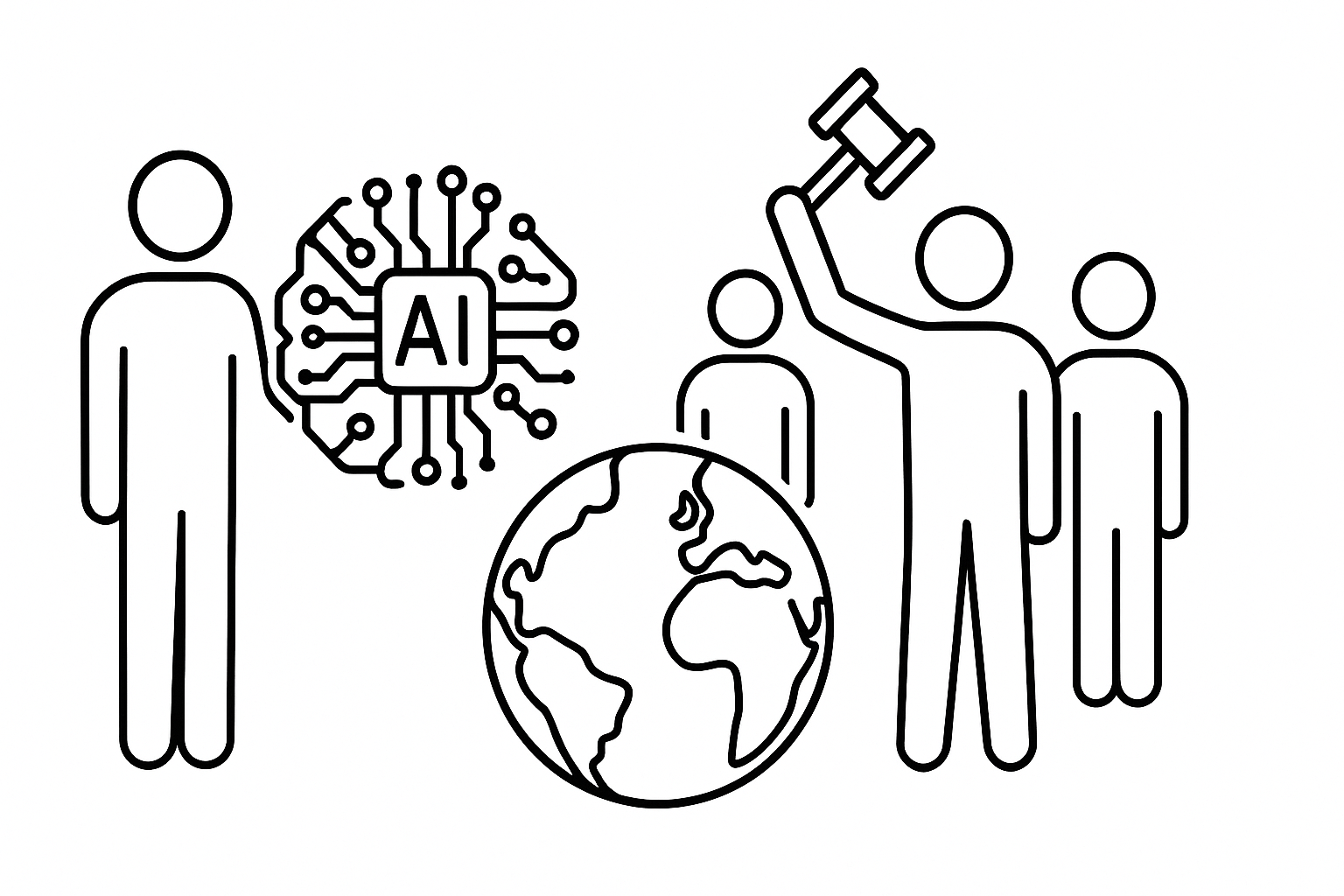
Believing that AI is universally smarter than humans can lead to dangerous over-reliance. In business, overestimating AI’s abilities might cause leaders to automate critical decisions without human oversight, resulting in flawed outcomes. In governance, policymakers might assume AI can manage complex social problems without appreciating the nuanced trade-offs involved.
There is also the risk of “automation bias,” where people uncritically trust AI outputs even when they are wrong. This is particularly problematic in high-stakes domains such as criminal justice, healthcare, and finance.
The dangers of underestimating AI’s impact
On the flip side, dismissing AI’s capabilities as mere hype can be equally harmful. AI is already transforming industries, redefining job roles, and influencing cultural norms. Ignoring its potential can leave individuals, companies, and societies unprepared for disruption.
In areas like climate modeling, drug discovery, and disaster prediction, AI’s contributions can save lives and resources. Underestimating these strengths may delay crucial innovations or reduce investment in technologies that could benefit humanity.
The hybrid future of human and machine intelligence
Rather than asking whether AI is outpacing human intelligence, a more constructive question is: how can human and machine intelligence complement each other?
In many domains, the most effective outcomes arise when AI’s computational power is combined with human judgment. In medicine, for example, AI can flag abnormalities in diagnostic scans, while a physician interprets these findings in the broader context of patient history and symptoms. In creative industries, AI can generate ideas or rough drafts, leaving humans to refine and add depth.
This hybrid approach leverages the strengths of both: AI’s speed, scalability, and pattern recognition with human creativity, ethics, and adaptability.
The limits of current AI as a measure of future potential
It’s worth noting that today’s AI, impressive as it is, represents only one stage in technological evolution. Research into general AI – the kind that could match or exceed human intelligence across all domains – remains speculative and controversial. Experts disagree on whether it is decades away, centuries away, or fundamentally unattainable.
However, progress in areas like self-supervised learning, multimodal AI, and neuromorphic computing suggests that AI’s capabilities will continue to expand. Whether or not it “overtakes” human intelligence in some broader sense, it will almost certainly become more pervasive, influential, and integrated into our daily lives.
Summary and key takeaways
AI is outpacing humans in certain narrow tasks that rely on speed, data processing, and pattern recognition, but it does not rival the breadth, adaptability, and moral reasoning of human intelligence. The two forms of intelligence are different in nature, not just in degree.
Key points:
- AI excels at processing speed, specialized expertise, and pattern recognition but lacks general-purpose adaptability and moral understanding.
- Human intelligence remains unmatched in creativity, ethical reasoning, and the ability to navigate unfamiliar situations.
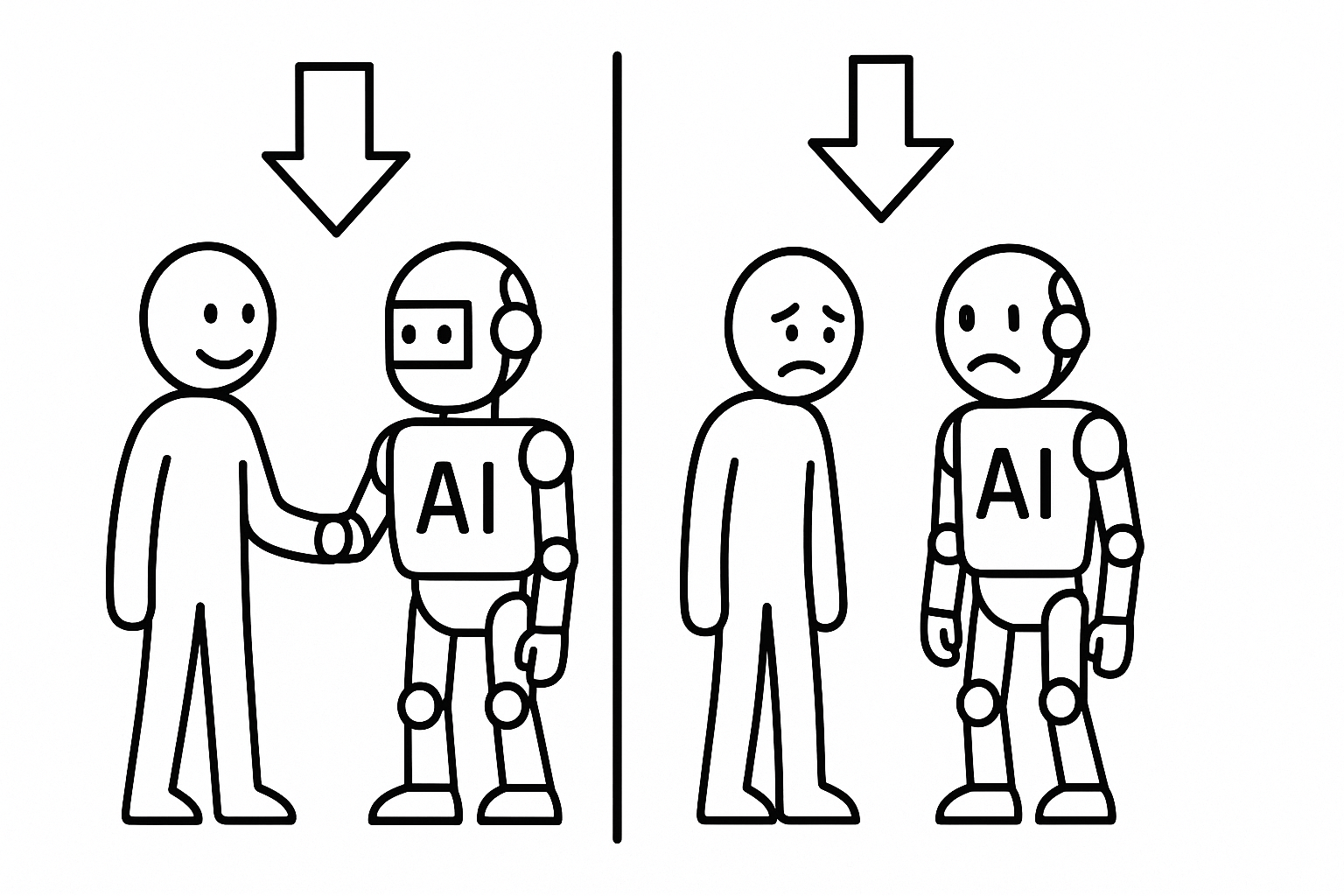
- Overestimating AI can lead to over-reliance and automation bias; underestimating it can cause missed opportunities and strategic blind spots.
- The most powerful outcomes often come from combining AI’s strengths with human judgment in a complementary way.
- Current AI is not equivalent to human general intelligence, but it is evolving rapidly, and its societal impact will grow regardless.
In the end, the real question may not be whether AI is outpacing human intelligence, but how humans choose to use it—and whether we are wise enough to guide it for the benefit of all.
RELATED POSTS


Nothing Found